When it comes to pulling a vacuum on a refrigerant system, it is critical to the system that we pull it into a vacuum before adding refrigerant. A deep vacuum lets us know that our system is clean, dry, and tight.
In order to do this with confidence, we need two very important tools, the micron gauge, and a vacuum pump. Here are some tips to help keep these tools working properly, and how to check them.
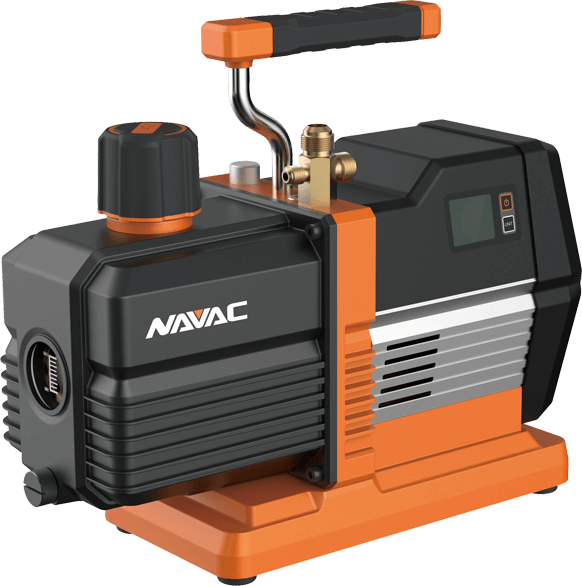
Vac Pump: Fresh oil, change the oil in your vacuum pump regularly, at minimum I recommend to change your pump oil once a month. If the oil becomes dark or foamy, you will lose pump capacity. Keep ALL of the openings of the pump, plugged or capped when not in use. This will help prevent contamination when not being used. Test the pumps ability once per month, attach a vacuum gauge to the pump and start it up. The gauge should be able to pull down to 150 or less when attached directly to the pump. If it doesn't, try a second gauge. Pulling a vacuum on a fresh recovery cylinder is a good test also. Sending the pump for repair may be needed if it will not pass these tests.
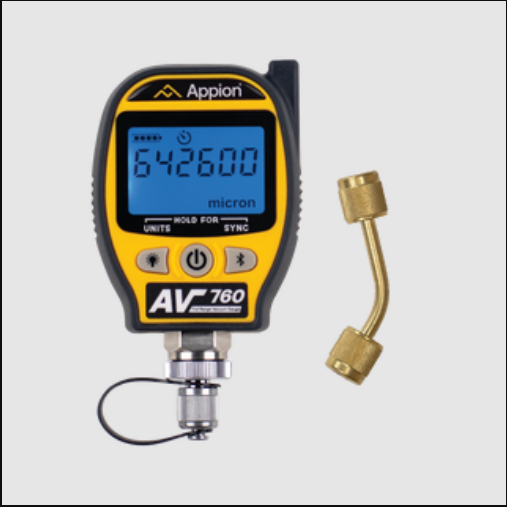
Micron gauge: Keep it clean, and make sure your o-rings and seals are not ripped, broken or missing. Keep it plugged or capped when not being used. Clean regularly with rubbing alcohol (once a month) and allow to dry for about 30 minutes to an hour before use. Test the gauge by attaching it to a vacuum pump or a recovery cylinder under vacuum. Check the manual for storage and operating temperatures.
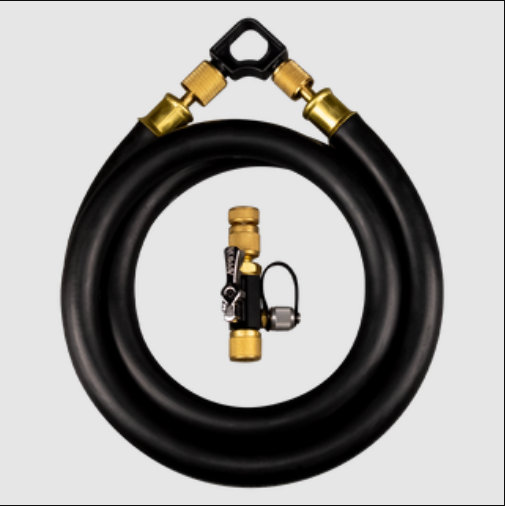
Use a large diameter vacuum rated hose and a core removal tool for best performance.