


Below are a few resources on how to remove the burner and clean the combustion side of the heat exchanger on Vitodens 100 and 200 series boilers. This should be done yearly to maintain efficiency and longevity of parts. After cleaning the heat exchanger surface, be sure to clean out the internal condensate trap as debris will fill and clog it. Backed up condensate will cause burner faults and the refractory plates will fail prematurely, causing further issues and cost for the owner.
Recommended equipment: Viessmann HX cleaning tool 7858492, Axiom Clean F Steel cleaner AXTH-CFSTEEL-1L (or CitriSurf 77), a nylon brush (non-metallic only), and water to flush after cleaning. A Viessmann service tool kit 7725667 makes disassembling the boiler easier, but is not required.
Plate heat exchanger cleaning, BOILER SIDE water.
If the Fire Side heat exchanger builds up scale, it will break off and plug the INLET side of the Domestic Hot Water (DHW), BOILER WATER heat exchanger port.
This will require removal of the plate heat exchanger, as there is a check valve installed within the BOILER WATER OUTLET piping, before the connection to the Boiler Water Return header.
To test the flow for possible restriction:
Disconnect the wiring connection to the flow switch.
Connect an OHM meter across the switch connection. (The switch should be open with less than 40% flow through the DHW plate heat exchanger, and the 3-way valve set to DHW)
- Enter the service mode.
- Enter Actuator test.
- DHW
Then select the pump speed.
Start at 35% pump speed
Go back to the 3-way valve position
Change from "Boiler", "Center", and "DHW" positions.
At 35% pump speed or faster (On a 199 B1KE boiler), the flow switch should have a "Closed electrical switch" in the CENTER and BOILER positions.
The DHW will generally be closed at 40% speed.
A dirty Boiler Side DHW passage will require more than 50% speed to get the flow switch contacts to close.
The boiler will need to be de-energized (Power off) prior to servicing.
The domestic water and boiler water connections will need to be isolated and piping drained.
There are some studs and nuts that hold the plate heat exchanger in place.
The connections are sealed with gaskets.
Have replacement gaskets available prior to removal, they may be needed based on water and seal conditions.
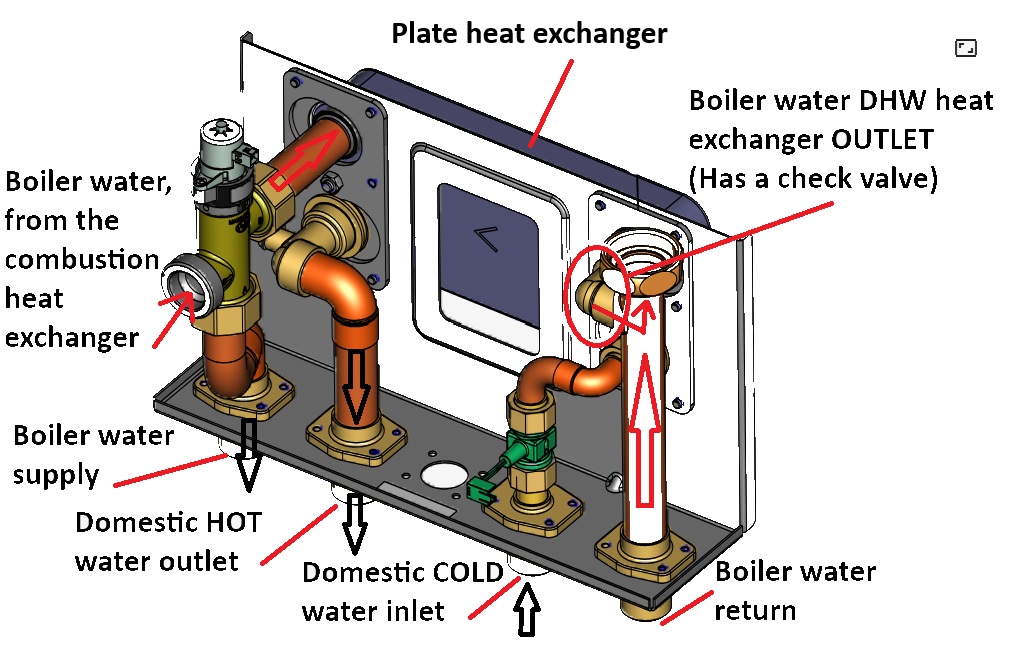
After the burner/ gas assembly is removed, the two nuts can be removed. (These are what holds the plate heat exchanger up against the sealing gaskets.
* Do not remove the piping unless the gaskets need to be replaced, as this could add hours to the amount of time required to clean and re-assemble the parts.
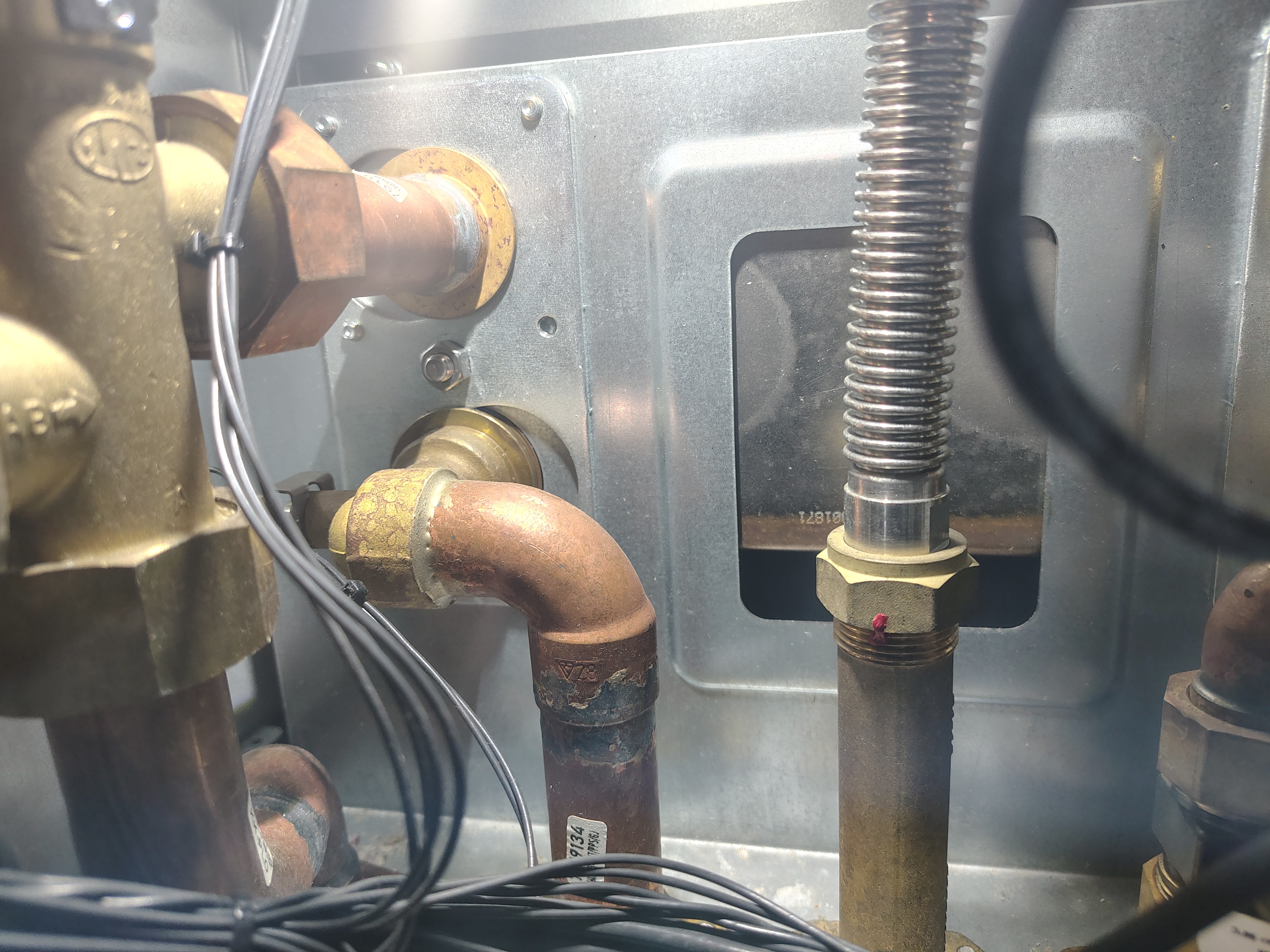
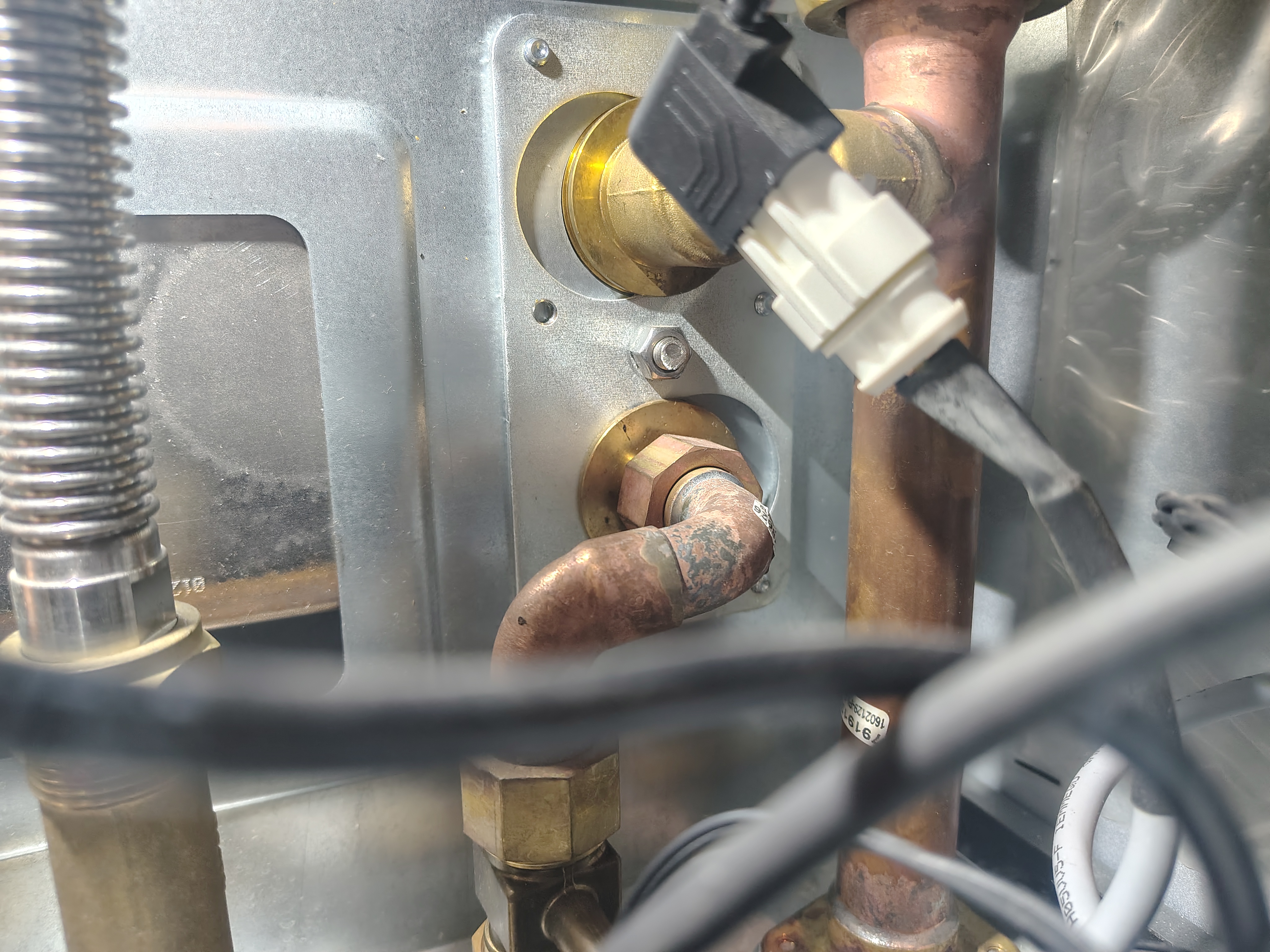
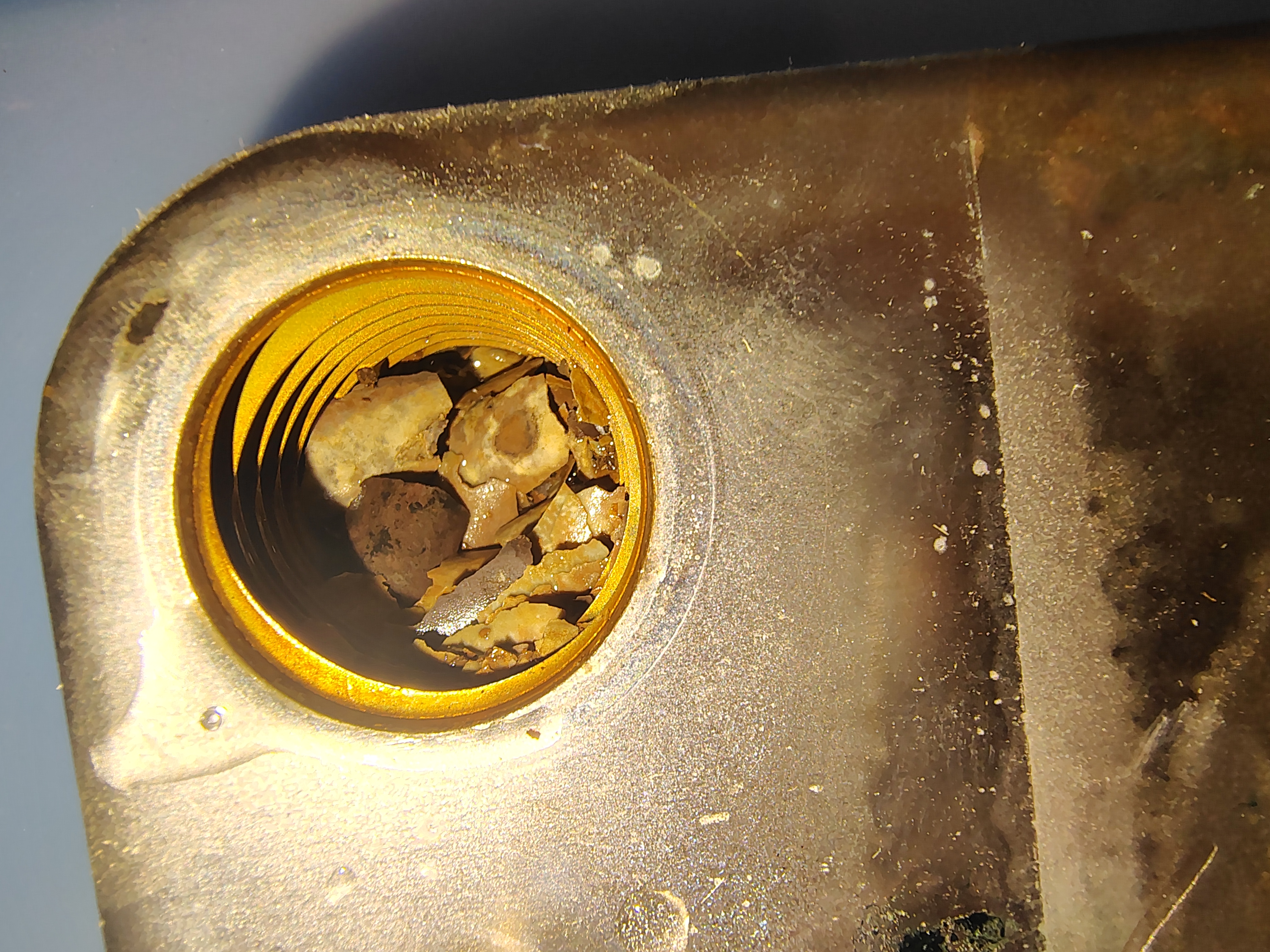
Actual photos of a plugged BOILER SIDE passage, requiring 70% pump speed to close the flow switch:
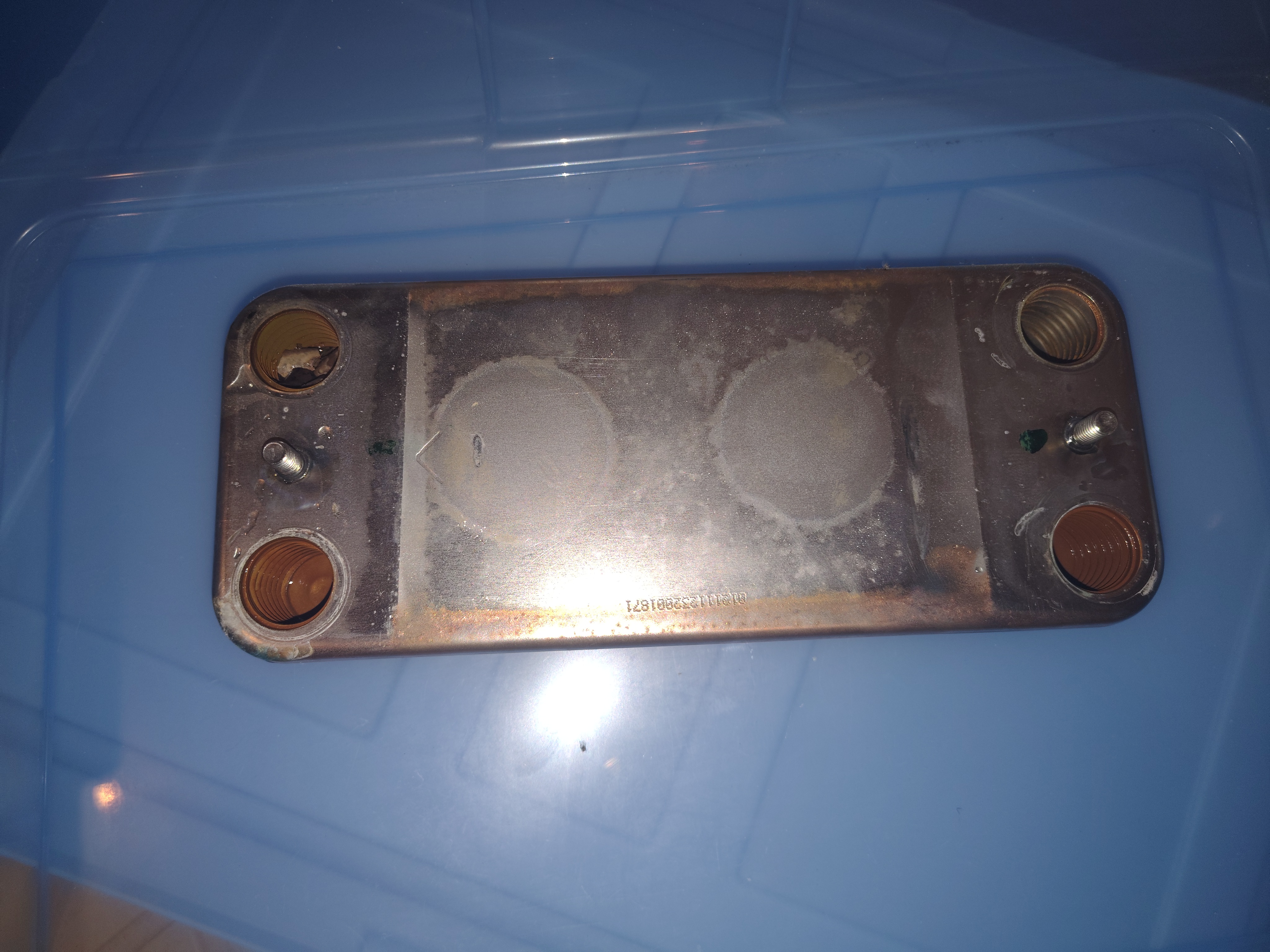
Note the scale that came off the "Fire side" heat exchanger, becoming trapped in the plate heat exchanger. There is no good way to back-flush this.
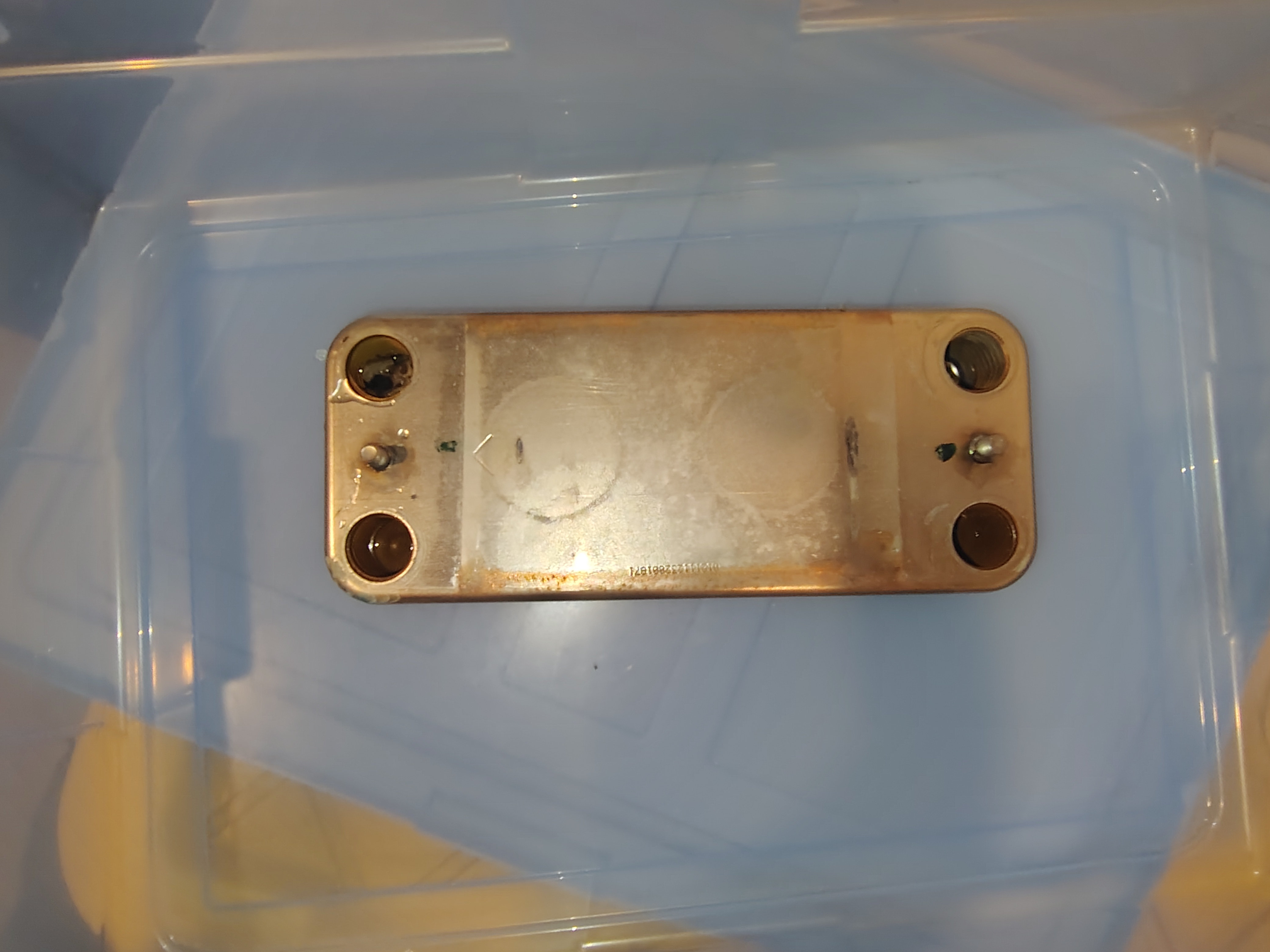
Soak the heat exchanger in copper-safe cleaner. Make sure it is also "Drinking water safe" as well, as the domestic water flows through two of the passages. CLEAN THEM ALL.
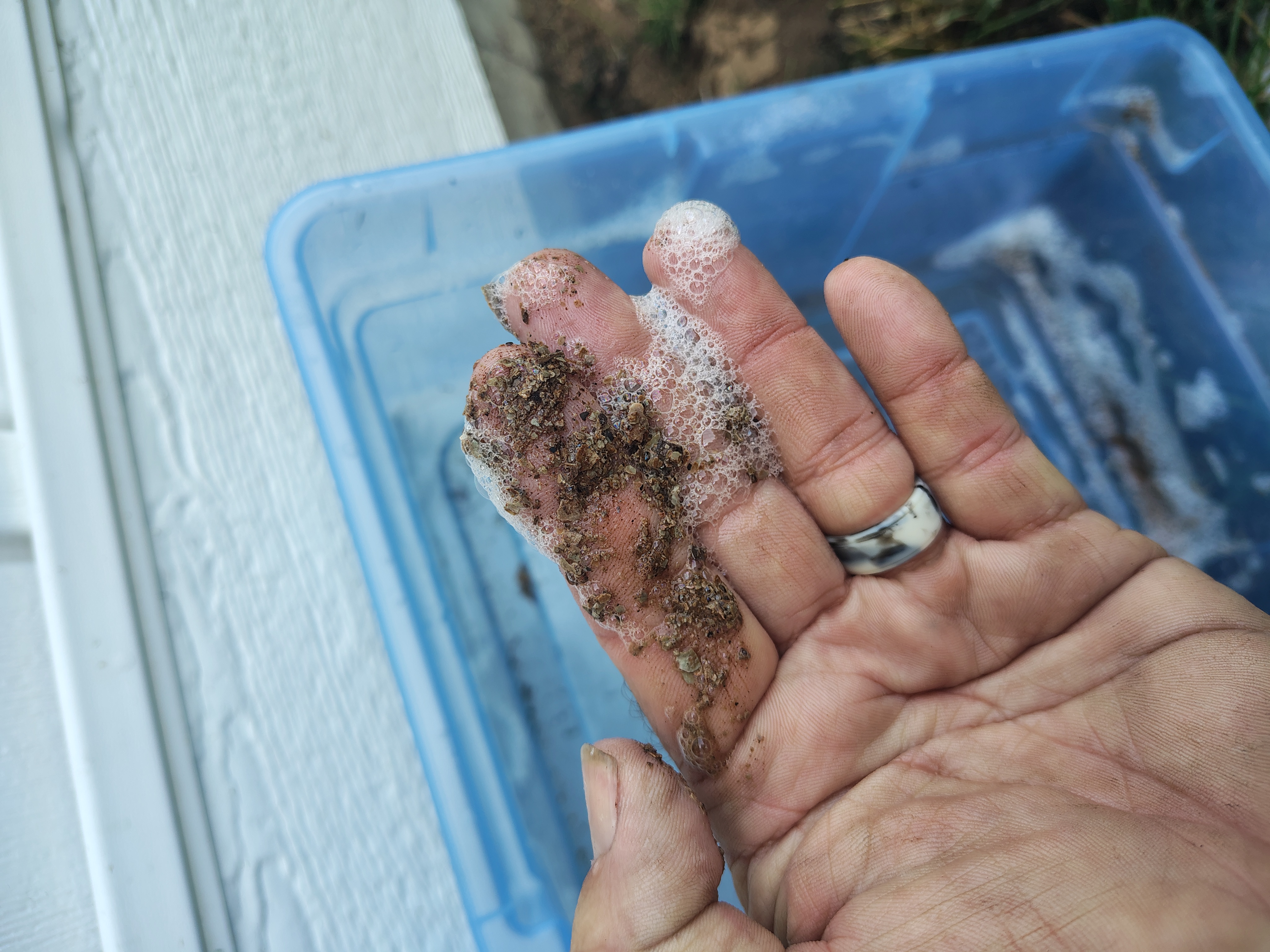
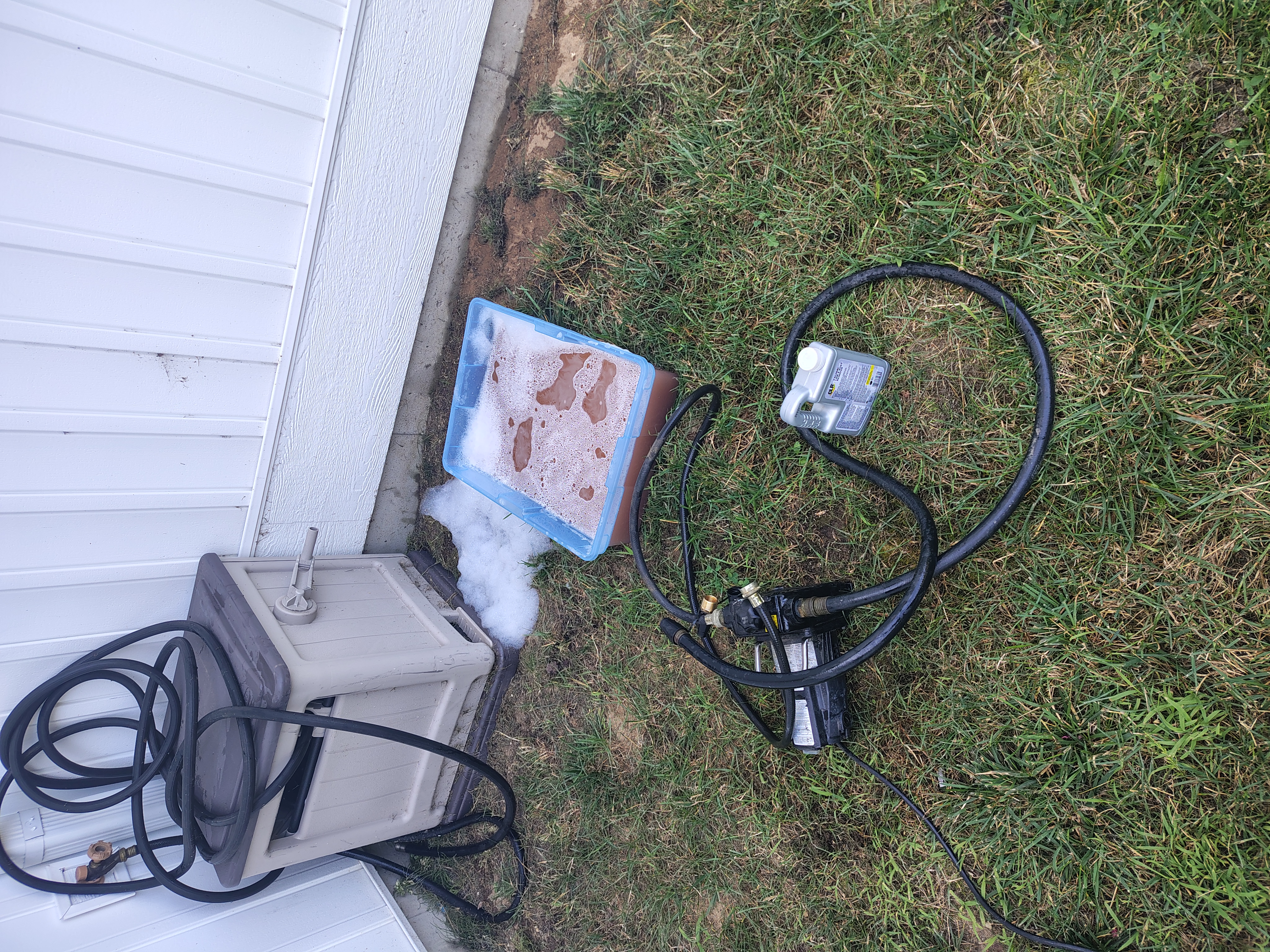
A shallow storage tub, transfer pump, and some hoses helps with forward and reverse flushing. This may take several applications of "soak and circulate" to remove the scale.
Flush the pump, hoses and container along the way, keeping track of the scale and sediment removed.
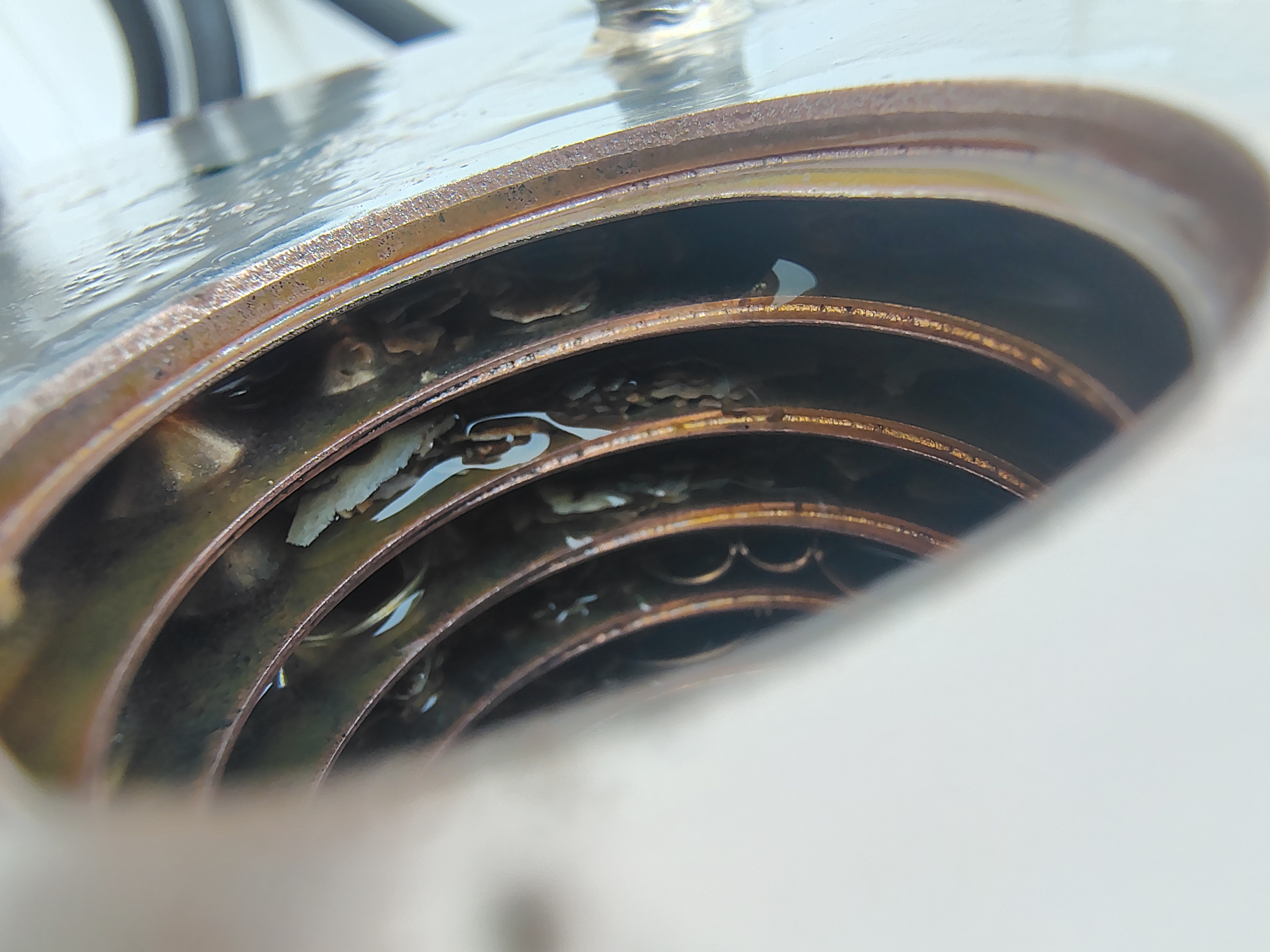
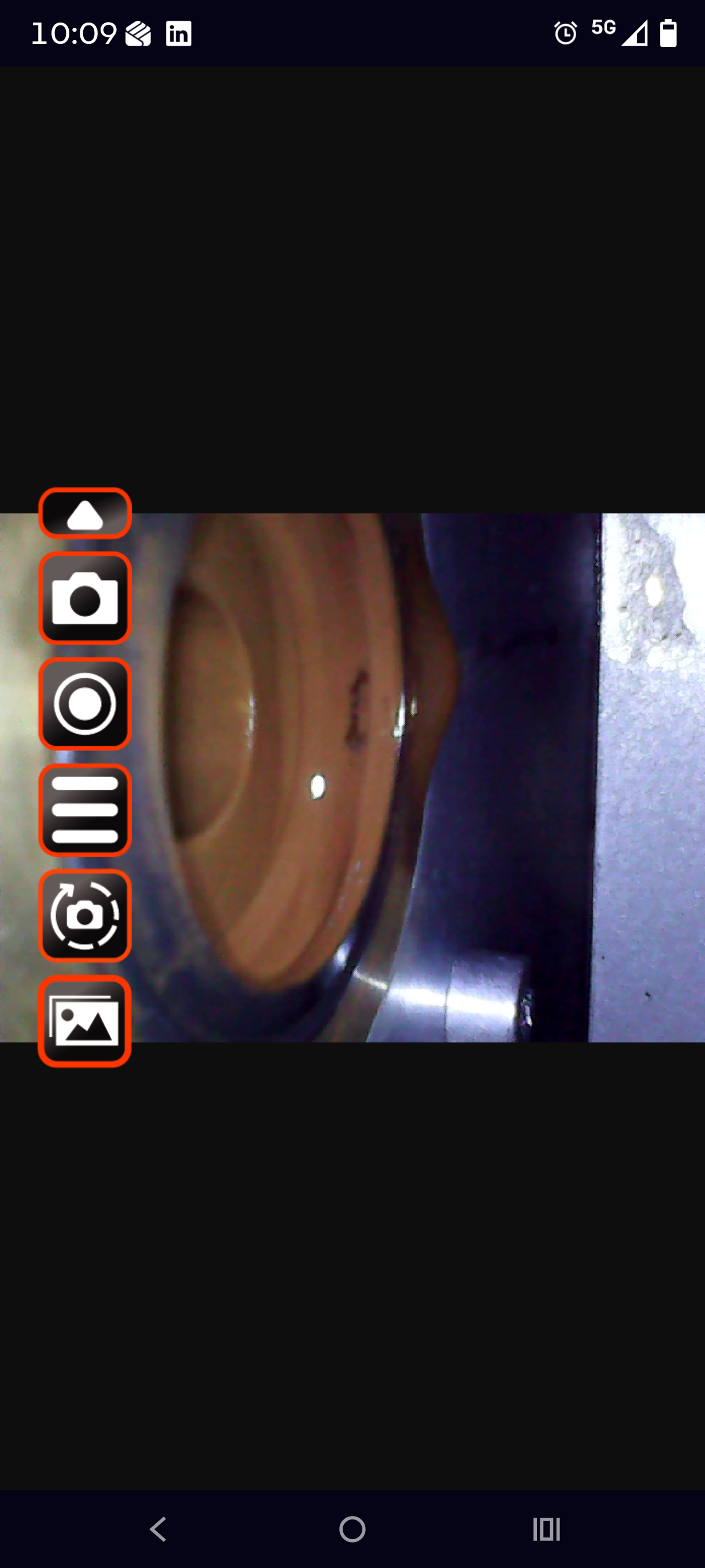
Also inspect the gaskets and boiler piping connections. Use a camera and mirror or bore scope.
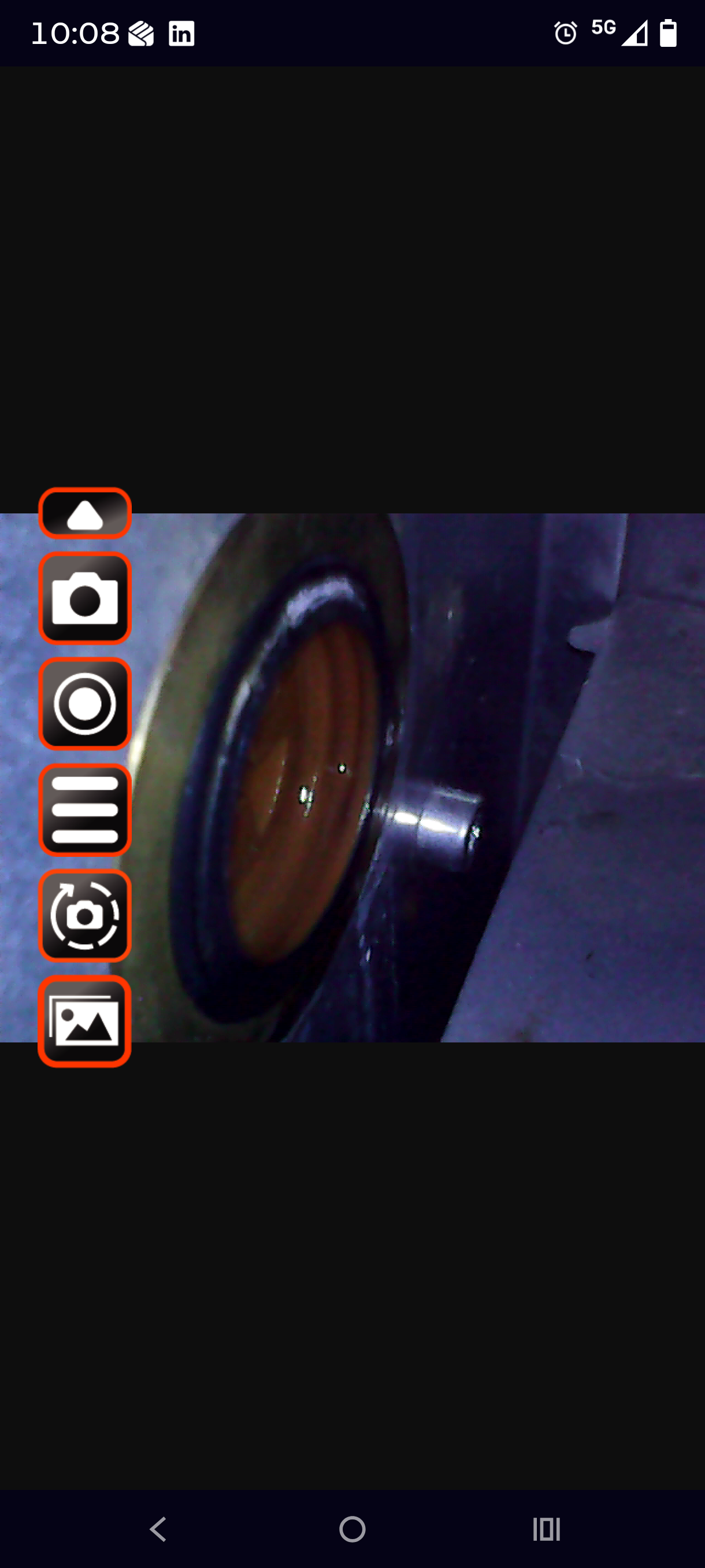
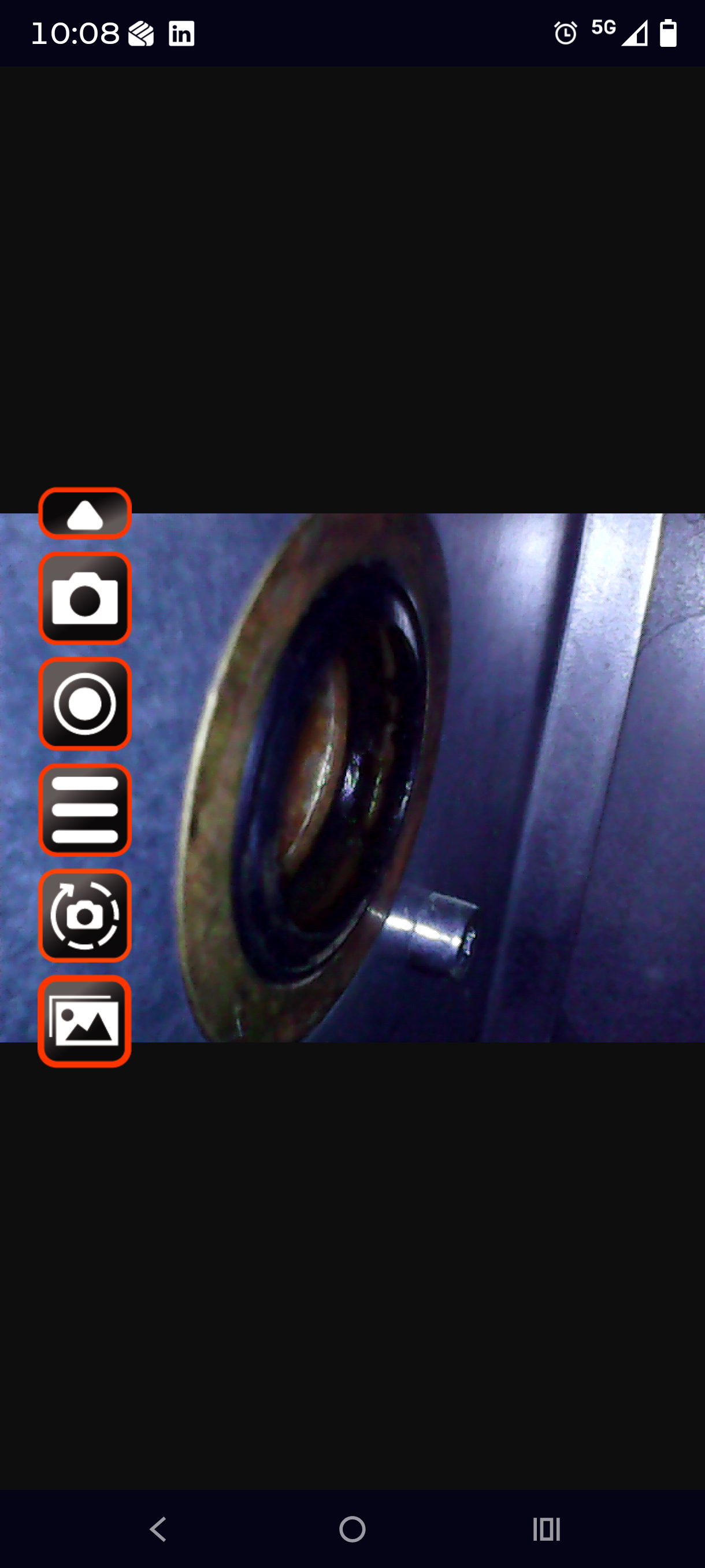
The "White" thing inside the pipe is the check valve. Much like the insert ones used in circulator pumps. Inspect for free movement with your finger. Make sure the check assembly moves freely and has no grit or sediment that could cause failed operation.
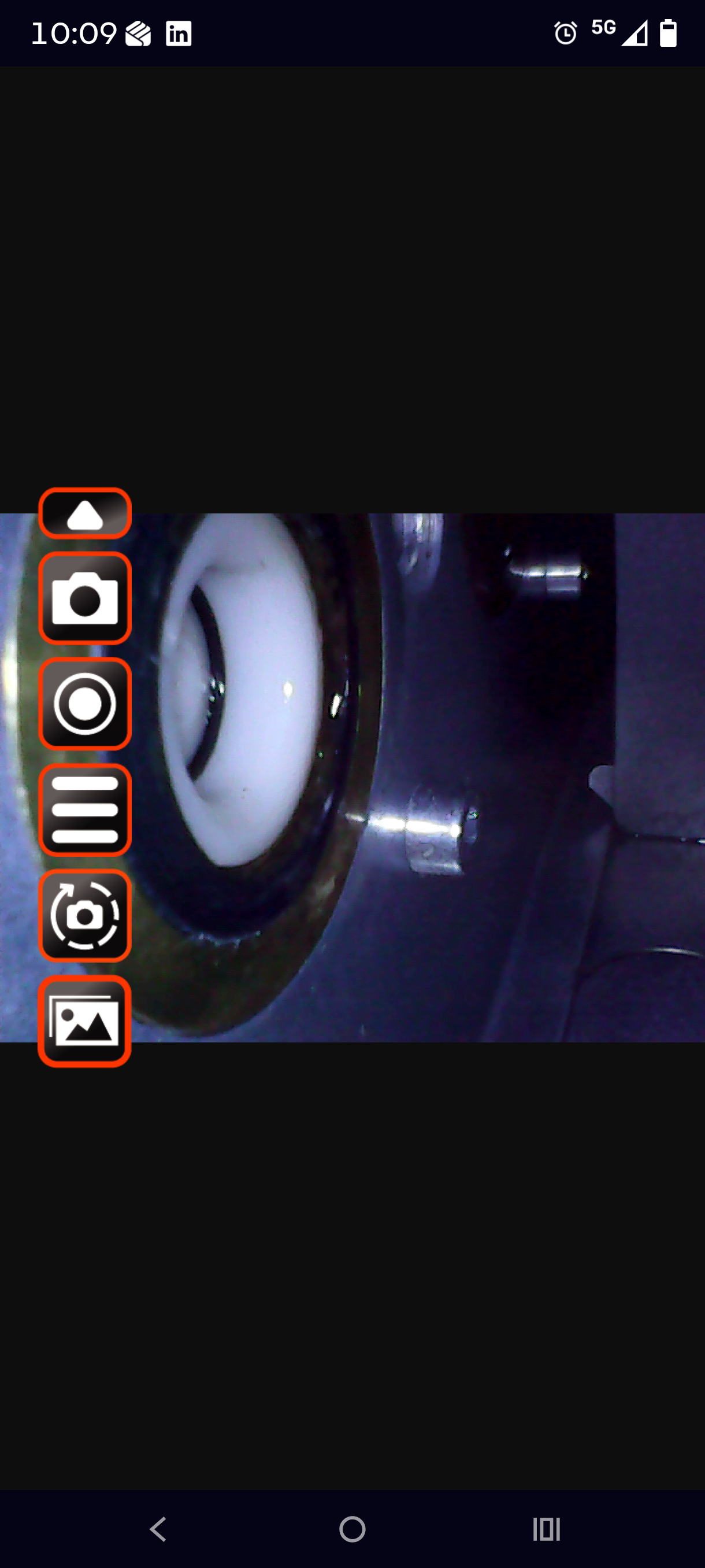
Use faucet grease or silicone on the sealing surfaces prior to re-assembly. (Make sure everything is water safe for drinking water)
Completely flush the plate heat exchanger with clean, clear, drinking water.
This must be done to remove all cleaner and loose scale.
Re install and test for leaks.
Fully flush all air from all passages.
Fully flush the domestic heating lines.
Test the operation and flow-rate test after cleaning.
This one originally needed 70% pump speed (Through the DHW position) and now proves flow at 40% pump speed.
Test during annual Preventative Maintenance, suggest cleaning prior to the customer having loss of water problems.
A fault of S.154-1 will result from poor heat exchanger heat transfer.

